
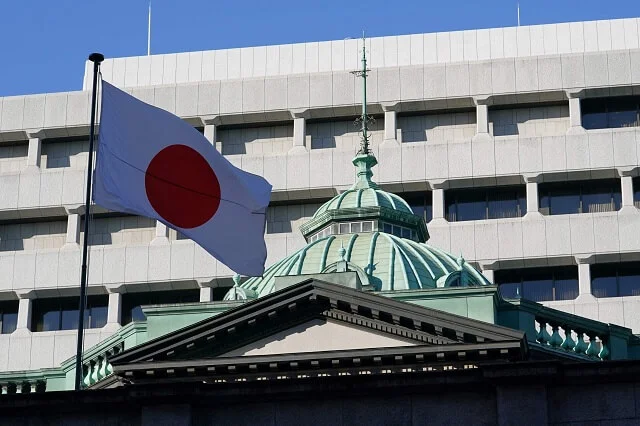
Japan’s economy is recovering at a moderate pace despite lingering pockets of weakness, with policymakers growing more confident that a sustainable wage–price cycle is taking hold, the Bank of Japan said on Friday in a summary of opinions from its December 18–19 policy meeting.
Board members acknowledged that growth could remain subdued in the near term as global trade policy uncertainties weigh on activity. However, they expect momentum to strengthen as overseas economies return to a growth path, supporting Japan’s export outlook and broader domestic demand.

Also Read: Skims makes Middle East retail debut with Dubai flagship
Business sentiment remains resilient, according to the latest Tankan survey, with confidence holding firm even among small and medium-sized enterprises. The central bank noted that labour-saving investment aimed at addressing chronic workforce shortages is driving higher capital expenditure, helping to lift productivity and underpin the recovery.
Wage growth continues to be a central pillar of the Bank’s assessment. Policymakers said wage hikes next year at large, unionised firms are likely to match or exceed this year’s increases, supported by solid corporate profits, persistent labour shortages and elevated prices. Government stimulus measures are also expected to bolster economic activity over the next one to two years and may help ease households’ perception of inflation pressures.
Also Read: Sri Lanka apparel wage hike lifts pay but living wage gap remains
On prices, board members said underlying consumer inflation is rising moderately as firms pass higher labour costs on to selling prices. While headline inflation could ease temporarily due to base effects, the Bank expects real wages to turn positive in the first half of next year, with underlying inflation steadily moving towards its 2% target.
The BOJ cautioned that risks remain, including sticky price pressures, exchange rate fluctuations and intermittent import cost shocks linked to demographic trends and climate change, which will require close monitoring as it assesses the durability of the recovery.