
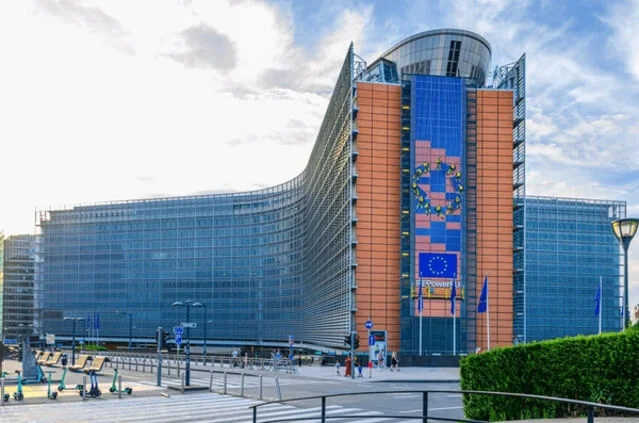
The European Commission on Wednesday adopted groundbreaking new rules to ban the routine destruction of unsold clothing, accessories and footwear, a move aimed at cutting textile waste, reducing greenhouse gas emissions and promoting more sustainable production and consumption across the European Union.
Under the revised Ecodesign for Sustainable Products Regulation (ESPR), large companies will be prohibited from destroying unsold textiles and footwear from July 19, 2026, with medium‑sized firms expected to follow by 2030. The regulation also requires firms to disclose annually how many unsold items are discarded and the reasons for their disposal, with a standardised reporting format to be introduced from February 2027.

The decision marks one of the most significant regulatory efforts in Europe to tackle what officials describe as an endemic waste problem in the fashion sector. According to EU estimates, between four and nine percent of unsold textiles are destroyed each year before they are ever worn, generating roughly 5.6 million tonnes of carbon dioxide emissions – about equivalent to Sweden’s total net emissions in 2021.
Also Read: US–Bangladesh Trade Deal Poses Fresh Competitive Challenge for India
Environment, Water Resilience and a Competitive Circular Economy Commissioner Jessika Roswall said the measures reflect a broader push to shift the industry away from wasteful production and towards circular business models. “The textile sector is leading the way in the transition to sustainability, but there are still challenges,” Roswall said in a statement. “With these new measures, the textile sector will be empowered to move towards sustainable and circular practices, and we can boost our competitiveness and reduce our dependencies.”
The rules include narrowly defined derogations under which destruction may still be permitted, such as when products are damaged or pose safety risks, but these will be closely supervised by national authorities. Companies are encouraged to manage inventory more effectively, explore resale and remanufacturing options, donate surplus stock or focus on reuse rather than waste.
The ESPR, which broadens the scope of the EU’s ecodesign framework to cover more products and embed sustainability throughout product life cycles, is central to the bloc’s strategy to build a circular economy and reduce environmental impact from consumer goods.
Industry groups welcomed the ambition but have urged careful implementation to balance sustainability goals with competitiveness, especially for companies with complex global supply chains. Observers say the new rules may also influence international manufacturers supplying the EU market, who will need to adapt to stricter sustainability standards and reporting requirements.