
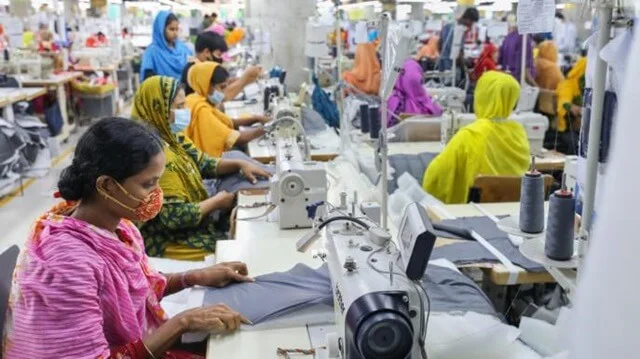
Bangladesh’s apparel sector, a cornerstone of the global fashion supply chain, is facing increasing financial pressure as exporters struggle to balance rising production costs with delayed payment cycles from international buyers.
Industry stakeholders report that while manufacturers continue to meet tight production deadlines and large-scale orders, the gap between upfront investment and final payment is widening. Most global retailers operate on payment terms of 60 to 120 days after shipment, leaving exporters to finance raw materials, labor, and operational expenses long before receiving revenue.

This prolonged financial cycle is placing significant strain on working capital, particularly for manufacturers operating on thin margins. With continuous order flows, companies must reinvest in new production while awaiting payments from previous shipments, creating an ongoing liquidity challenge.
The issue is further compounded by strict compliance requirements imposed by international buyers. Exporters must adhere to detailed packaging, labeling, and documentation standards. Even minor discrepancies in invoices or shipping documents can result in payment delays, deductions, or penalties, impacting overall revenue realization.
Also Read : Bangladesh Eyes Ending Tax Breaks for Garment Exporters
To address these challenges, many exporters are strengthening their receivables management practices. Improved documentation accuracy, closer monitoring of payment timelines, and better tracking of disputes are helping companies reduce delays and improve cash flow visibility.
At the same time, the adoption of trade finance solutions is gradually increasing. Mechanisms such as export factoring are enabling businesses to access immediate funds against outstanding invoices, easing liquidity constraints. Financial institutions like Tradewind Finance are supporting exporters with tailored financing and receivables management services.
The pressure on cash flow is expected to intensify as the industry evolves. With growing investment in advanced textiles and innovation-driven production—highlighted at global platforms such as Techtextil—manufacturers are facing higher upfront costs while payment structures remain largely unchanged.
Experts believe that managing the financial timing gap between production and payment will become increasingly critical for Bangladesh’s competitiveness in global markets. As supply chains grow more complex, exporters that can align financial strategies with operational demands are likely to maintain stability and sustain growth in the long term.