
The Bangladesh government has released Tk 2,500 crore in cash incentives to support export-oriented industries, particularly the ready-made garment sector, ahead of Eid-ul-Fitr, aiming to ease liquidity pressures and ensure timely payment of worker wages and factory expenses.
The funds were disbursed under existing cash incentive schemes for exporters in two phases, according to officials and industry representatives, as factories prepare to pay salaries and festival bonuses before the holiday.

The move comes as apparel manufacturers face tight cash flow conditions amid slower global demand, delayed export proceeds and rising operational costs. Factory owners have warned that liquidity shortages could disrupt wage payments at a time when millions of workers depend on pre-Eid earnings.
The Bangladesh Garment Manufacturers and Exporters Association welcomed the release, calling it timely support for exporters struggling with working capital constraints. The association said the funds would help factories clear wage bills, bonuses and utility payments before the holiday shutdown.
Also Read: US eyes 15% global tariff hike this week
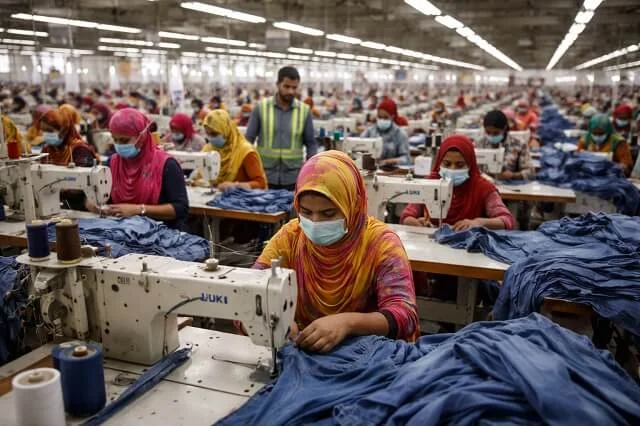
Bangladesh’s ready-made garment industry, which accounts for more than 80% of the country’s export earnings, typically experiences heightened financial pressure ahead of Eid as manufacturers must settle payroll obligations while managing shipment schedules.
Officials at the central bank and the finance ministry have said the incentive disbursement is part of broader efforts to maintain export competitiveness and financial stability in the sector, which employs around four million workers.
Industry insiders said the cash support is expected to provide short-term relief but stressed that sustained policy measures may be needed to address structural challenges, including rising production costs and exchange rate volatility.
Eid-ul-Fitr is one of the most important retail and wage-payment periods in Bangladesh, with factories required to clear outstanding salaries and bonuses before the holiday, increasing demand for immediate liquidity across the industry.