
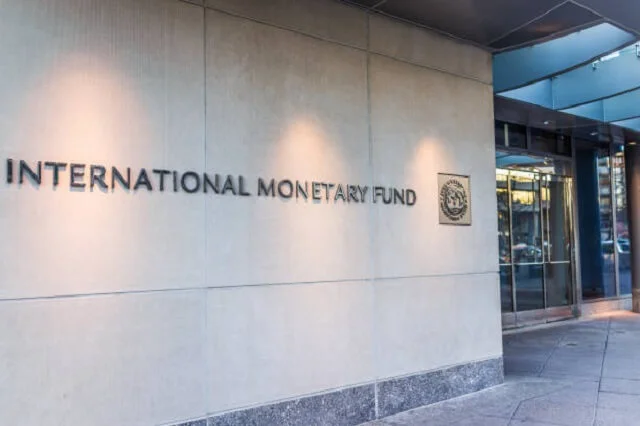
Bangladesh is in discussions with the International Monetary Fund for additional financial support as the country looks to mitigate potential fuel supply shocks driven by global geopolitical tensions, officials said.
Finance officials confirmed that negotiations for fresh funds are ongoing, with detailed talks expected to take place during the upcoming Spring Meetings of the IMF and the World Bank in Washington next month.

The move comes as Bangladesh faces rising vulnerability to disruptions in global energy markets, particularly amid uncertainty surrounding Middle East supply routes. The country imports the vast majority of its fuel, making it highly exposed to price volatility and supply constraints.
Officials said the government is seeking external financing to ensure uninterrupted imports of fuel and liquefied natural gas (LNG), while avoiding further pressure on domestic energy prices and foreign exchange reserves.
Also Read: CHT bets on sustainable textile chemicals at Techtextil 2026
Bangladesh is currently under an ongoing IMF loan programme worth around $5.5 billion, which has been supporting macroeconomic stability through a series of reform-linked disbursements. However, authorities are now exploring additional funding options to address emerging risks linked to global energy instability.
Economists say the fresh funding discussions also reflect broader structural challenges in the economy, including a weak banking sector, low revenue collection, and pressure on the balance of payments.
The government has been engaging with multiple development partners, including the World Bank and the Asian Development Bank, to secure additional financial buffers as it navigates external shocks.
Analysts note that the outcome of the upcoming IMF discussions will be critical in shaping Bangladesh’s short-term economic outlook, particularly as global energy markets remain volatile.