
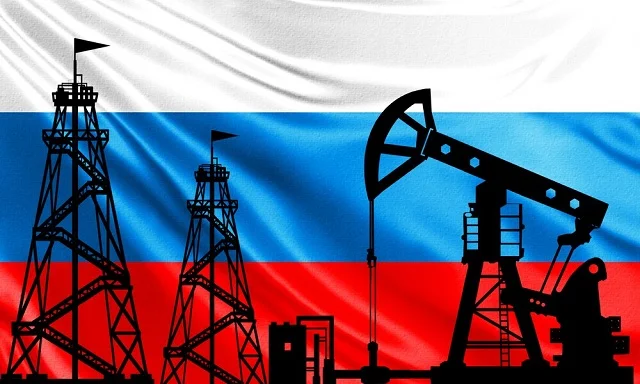
Bangladesh has requested the United States to grant a temporary waiver allowing it to import Russian oil, as Dhaka looks to secure fuel supplies and stabilize its economy amid global energy market volatility.
The request was raised during a meeting in Dhaka between Finance and Planning Minister Amir Khosru Mahmud Chowdhury and US Ambassador to Bangladesh Brent T. Christensen, where Bangladesh asked Washington to consider granting a similar exemption to the one previously provided to India for purchasing Russian crude.

Dhaka argues that access to Russian oil would help safeguard its energy supply and support the domestic economy at a time when global fuel markets remain uncertain due to geopolitical tensions and disruptions in the Middle East.
Officials said the United States would convey the request to authorities in Washington for consideration.
Also Read: Bangladesh stocks fall as Middle East tensions end four-day rally
The move comes as energy prices rise and supply routes face disruption amid escalating conflict in West Asia, which has heightened concerns over global oil and gas availability. Bangladesh, which relies heavily on imported fuel to power electricity generation, transport and industry, has been exploring alternative supply options to maintain energy security.
Bangladesh had previously considered importing Russian crude in 2022 after Moscow offered discounted supplies following Western sanctions over the war in Ukraine. However, the plan was shelved because the country’s sole refinery, the Eastern Refinery Limited in Chattogram, was designed mainly to process lighter Middle Eastern crude rather than Russia’s heavier Urals blend.
To address the limitation, the government approved a Tk 35,465 crore modernization and expansion project for the refinery last year, aimed at enabling it to process a wider range of crude types, including Russian oil.
Officials say the waiver request forms part of a broader strategy to prepare for short-, medium- and long-term energy supply disruptions as geopolitical tensions continue to affect global fuel markets.
Alongside seeking the waiver, Bangladesh has been working to diversify its energy sources by exploring additional fuel imports from regional partners and purchasing costly liquefied natural gas cargoes to stabilize domestic supply.