

Bangladesh is preparing to reopen dozens of closed textile and jute mills through a phased, investment-led strategy aimed at reviving domestic production, creating jobs and reducing reliance on imported raw materials, officials said.
The initiative, led by the Ministry of Textiles and Jute, marks a shift from previous state-run revival attempts, with authorities now prioritising public-private partnerships, leasing models and foreign investment to bring idle industrial units back into operation.

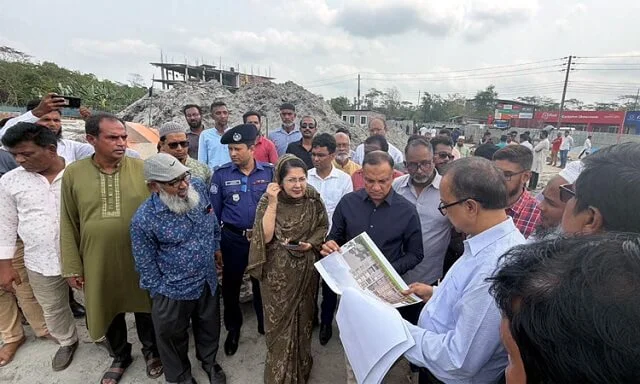
State Minister for Textiles and Jute Md. Shariful Alam said the government has begun assessing shuttered mills across the country to determine their commercial viability, with those deemed feasible to be reopened in stages. “We are working to restart operations in mills that can be made profitable with modernisation and private sector participation,” he said. Read Here
Several international tenders have already been floated, drawing interest from both local and foreign investors, according to officials familiar with the process. One such facility, Darwani Textile Mill, could resume operations within months if investment agreements are finalised.
The plan extends beyond textiles to include long-idle jute mills, many of which were shut down due to mounting losses, outdated machinery and mismanagement. Authorities have accelerated efforts to lease these units to private operators, with a majority of targeted mills already undergoing or completing the leasing process.
Also Read: Bangladesh’s RMG Exports to US Fall Amid Global Market Challenges
Officials say some leased jute mills have resumed limited operations, while others are being prepared for reopening under new management structures designed to improve efficiency and accountability.
Bangladesh, the world’s second-largest exporter of ready-made garments, relies heavily on imported fabrics and raw materials, particularly for higher-value apparel. Reviving domestic textile capacity is seen as critical to strengthening backward linkage industries and enhancing the sector’s global competitiveness.
The government also views the reopening drive as a key employment generator, particularly in industrial regions hit by factory closures in recent years. Thousands of jobs could be created directly and indirectly if the mills return to full-scale production, officials said.
In parallel, policymakers are looking to revitalise the jute sector by promoting eco-friendly products as global demand rises for sustainable alternatives to plastics. Reopening jute mills under private management is expected to improve productivity and align output with international market trends.
However, analysts caution that the success of the initiative will depend on sustained investor confidence, technological upgrades and governance reforms. Previous attempts to revive state-owned mills faltered due to inefficiencies, financial burdens and weak market positioning.
“The key difference this time is the emphasis on private sector efficiency and accountability,” said a Dhaka-based industry expert. “But without proper oversight and modernisation, the same structural issues could resurface.”
The reopening plan forms part of a broader government push to revitalise underperforming state assets and stimulate industrial growth, in line with economic targets and employment goals.
If successfully implemented, the strategy could reduce import dependency, strengthen Bangladesh’s textile value chain and reinforce its position in the global apparel market, industry stakeholders said.