
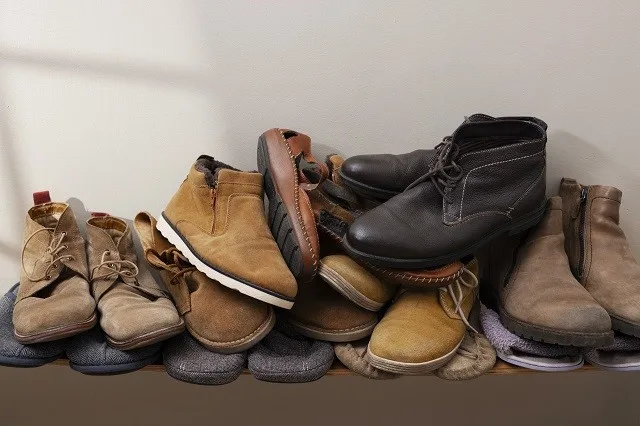
Imports of leather shoe into China suffered a marked decline in the first seven months of 2025, highlighting pressures on the leather-shoe segment amid broader trade and consumer-demand headwinds. According to data from the China Leather Industry Association cited by the industry, China imported around 29.7 million pairs of leather shoes between January and July, down approximately 21.1 % year-on-year, with associated import expenditure falling roughly 18.3 %.
During the same period, total footwear imports into China stood at roughly 100 million pairs (worth more than US $3.1 billion), representing declines of about 12.4 % in volume and 9.1 % in value. Within that total, leather footwear accounted for the steepest drop.

China’s export footwear sector tells a complementary story: Chinese manufacturers exported more than 5.1 billion pairs of shoes in the first seven months of 2025, generating revenue of about US $25.6 billion. Leather footwear export volumes within that total reached 300 million pairs, contributing nearly US $4.4 billion in value. But while volumes were nearly flat (down 0.7 %), value declined by 7.3 % compared with the same period last year.
Industry observers say several factors converge to explain the sharp drop in leather-shoe imports: shifting consumer preferences in China toward casual or sports footwear, the global rise of lower-cost export hubs such as Southeast Asia, inflationary cost pressures and subdued domestic demand. In the leather-shoe space in particular, higher raw-material costs and shrinking margins are being felt. Moreover, evolving sourcing patterns by multinational brands are reducing reliance on Chinese channels.
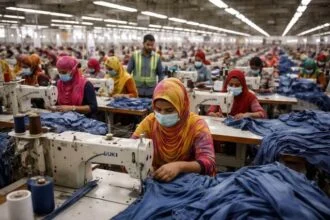
The steep fall in leather footwear imports comes against the backdrop of China’s broader manufacturing-export ecosystem undergoing transition. Labour-intensive segments like footwear are increasingly facing headwinds from higher wage costs, global competition and shifting policy priorities.
For exporters and importers of footwear, the shifting dynamics suggest that sourcing strategies may need recalibration. Countries that once supplied significant leather-footwear volumes to China could face stronger competition from alternative suppliers or need to shift to higher-value / premium segments to maintain traction. Meanwhile, Chinese domestic manufacturers may see opportunity to substitute some imported leather-footwear demand—but given the global oversupply of casual and sports categories, success is not guaranteed.
For global trade watchers, the decline in leather-shoe imports into China may serve as an early indicator of broader demand and supply-chain adjustments in labour-intensive manufacturing. As brands and retailers adapt to the new normal in sourcing, production and consumption, supply-chain optimisation and cost discipline will remain critical.