
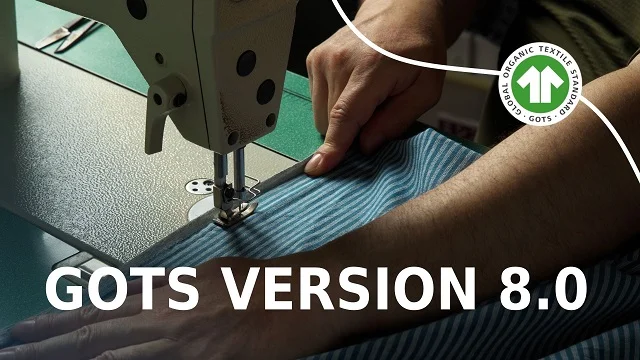
The Global Organic Textile Standard (GOTS), one of the world’s most widely recognized voluntary certifications for sustainable textile production, is set to launch Version 8.0, a major update that tightens environmental, social, and corporate governance requirements across the global textile supply chain. The revised standard is scheduled for official release on March 1, 2026, and will become fully effective on March 1, 2027, after a one-year transition period, according to draft documents and industry sources.
GOTS Version 8.0 introduces more rigorous due diligence obligations aligned with the Organisation for Economic Co‑operation and Development (OECD) guidelines, requiring certified companies to systematically identify, assess, and manage risks across their supply chains. These include human rights, labor protections, chemical safety, and environmental impacts. Industry experts said the move is aimed at enhancing traceability and credibility in a sector facing increasing consumer and regulatory scrutiny.

In addition to governance measures, the update emphasizes circularity and climate criteria. Certified entities are encouraged to implement practices that extend the lifespan of textiles, promote reuse and recycling, and reduce greenhouse gas emissions. Tighter chemical controls, more stringent packaging standards, and improved transparency measures are designed to reinforce the integrity of the organic label and prevent misuse or greenwashing, analysts said.
Also Read: Texas AG Sues Shein Over Toxic Products and Data Privacy
The GOTS organization reported that over 15,400 facilities across 87 countries were certified under the current version of the standard, reflecting a 5 percent increase in the latest reporting year. The growth underscores the rising demand from brands and manufacturers for credible sustainability certifications as environmental, social, and governance (ESG) expectations intensify globally.
Observers note that Version 8.0 represents a broader trend in the textile industry toward aligning voluntary standards with evolving regulatory frameworks, particularly in Europe and North America, where new legislation increasingly requires companies to assess and address environmental and social risks in complex supply chains. The revision also addresses emerging market demands for responsible sourcing, supply chain transparency, and measurable sustainability outcomes.
A GOTS spokesperson confirmed that the public consultation phase involved extensive stakeholder engagement, but declined to comment on the final provisions ahead of the official launch. Industry representatives from textile manufacturers and brands did not immediately respond to requests for comment.
The updated standard comes amid growing scrutiny of sustainability claims across the global textile market, with brands and consumers seeking reliable frameworks to ensure environmental stewardship and worker safety. Experts said the changes will likely influence both large multinational brands and smaller textile producers, shaping investment and operational decisions in the years ahead.