

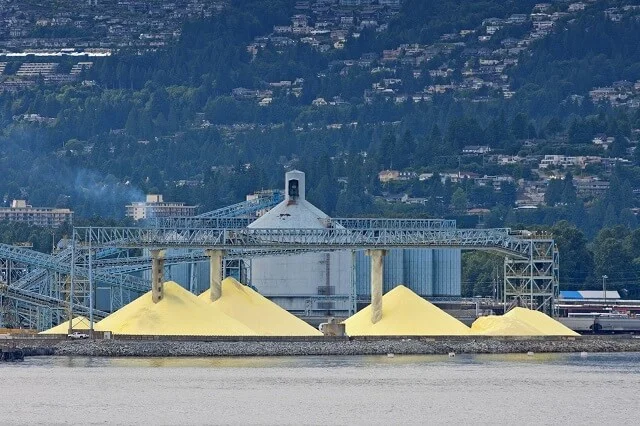
Supply disruptions linked to the ongoing Iran conflict have sent sulphuric acid prices in Bangladesh soaring by up to tenfold, squeezing fertilizer producers, chemical industries and raising fresh concerns over food inflation and industrial output.
Prices of sulphuric acid, a critical industrial chemical widely used in fertilizers, batteries and textiles, have jumped to around Tk 200–220 per kg from roughly Tk 30–40 within weeks, according to industry insiders and local traders.

The surge follows a sharp contraction in global sulphur supply, as shipments from the Gulf—particularly through the strategically vital Strait of Hormuz—have been disrupted by escalating geopolitical tensions.
“Supply has almost dried up in the spot market. Even at higher prices, securing volumes has become extremely difficult,” said a senior executive at a Dhaka-based chemical importer.
Sulphur, a byproduct of oil and gas refining, is heavily sourced from Middle Eastern producers. Any disruption to energy infrastructure or shipping routes in the region directly impacts downstream industries worldwide.
Also Read: Global Textile Industry Shows Early Stabilization, ITMF Survey Finds
In Bangladesh, the situation has been compounded by domestic production constraints. A major state-owned plant in Chattogram has reportedly halted operations due to technical issues, further tightening supply in the local market.
Industry participants say the price spike is already rippling across sectors.
Fertilizer manufacturers, who account for the bulk of sulphuric acid consumption, are facing mounting cost pressures that could eventually translate into higher agricultural input prices.
“If this continues, it will inevitably affect crop production costs and food prices,” said an official at a leading fertilizer company, requesting anonymity due to the sensitivity of the issue.
The textile and leather sectors—key export earners for Bangladesh—are also bracing for higher processing costs, as sulphuric acid is used in dyeing, finishing and other chemical treatments.
Battery manufacturers have reported early signs of supply shortages, raising concerns about disruptions in both domestic consumption and industrial applications.
Analysts warn that the crisis reflects a broader vulnerability in global supply chains, where geopolitical shocks can rapidly cascade into essential commodity markets.
The Iran conflict has already rattled energy markets, but its secondary effects on industrial chemicals such as sulphur are now becoming increasingly visible, with implications for food security and manufacturing worldwide.
“If the disruption persists, we could see prolonged volatility not just in chemicals, but across agriculture and industrial production globally,” said a regional commodities analyst.
With no immediate resolution to the geopolitical tensions in sight, Bangladeshi industries remain exposed to further price swings, underscoring the need for supply diversification and strategic reserves in critical raw materials.