
Indian textile exporters in Ludhiana have urged the government to grant temporary relief from the 45-day payment rule for micro, small and medium enterprise suppliers as escalating tensions in West Asia disrupt global shipping and strain exporters’ cash flows.
Industry representatives from the Ludhiana manufacturing hub, led by the Chamber of Industrial & Commercial Undertakings, have submitted a representation to the Ministry of Finance, Ministry of Commerce and Industry and the Ministry of Textiles seeking an exemption from Section 43B(h) of the Income Tax Act. The provision requires businesses to clear payments to MSME suppliers within 45 days in order to claim tax deductions.

Exporters say the rule has become difficult to comply with as the ongoing West Asia crisis has disrupted shipping routes and extended delivery times. Vessels are increasingly avoiding high-risk maritime corridors such as the Red Sea and the Persian Gulf, forcing carriers to take longer routes around the Cape of Good Hope. The detours have increased freight costs, insurance premiums and transit times for shipments from India to Europe and other markets.
Also Read: Better Cotton Recognised for Cotton Supply-Chain Traceability
The problem is compounded by the mismatch between domestic payment obligations and export payment timelines. Under regulations linked to the Reserve Bank of India and the Foreign Exchange Management Act, exporters can take up to 15 months to receive payments from overseas buyers. Industry leaders say this gap creates a liquidity crunch, as companies must pay local MSME suppliers within 45 days while waiting months for international buyers to settle invoices.
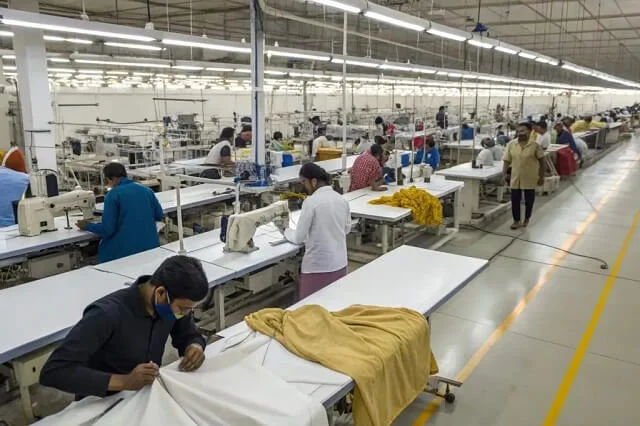
Ludhiana’s textile and hosiery sector, one of India’s major export-oriented manufacturing clusters, depends heavily on predictable shipping schedules and stable trade routes. Exporters warn that ongoing disruptions linked to tensions in West Asia could lead to shipment delays, order cancellations and higher operational costs if the situation persists.
Industry representatives say a temporary exemption from the payment rule would help exporters manage working capital pressures during the crisis and prevent disruptions to production and employment in MSME-driven textile supply chains.
The appeal highlights the growing ripple effects of geopolitical tensions on global trade flows, particularly for export-dependent industrial clusters such as Ludhiana in India’s Punjab, which supplies knitwear, garments and textile products to markets across Europe, the Middle East and North America.