
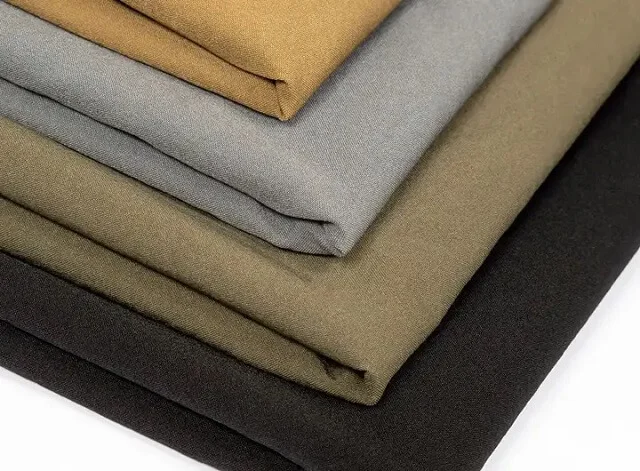
U.S.-based MMI Textiles has introduced its SAM1 stretch woven fabric, positioning the material as a durable, multi-functional solution for tactical gear and performance apparel, as demand grows globally for advanced technical textiles that combine flexibility with protection.
The newly highlighted SAM1 fabric is engineered from a nylon-spandex blend, offering a balance of strength and stretch aimed at end uses ranging from military uniforms to outdoor apparel. Industry analysts say such hybrid fabrics are increasingly becoming standard as brands seek to deliver garments that can perform across multiple environments without compromising comfort.

MMI Textiles said SAM1 is designed to meet stringent durability requirements while maintaining mobility, a key factor for tactical and law enforcement applications. The fabric’s construction allows for four-way stretch, enabling enhanced movement in high-intensity situations, while its nylon component contributes to abrasion resistance and overall fabric strength.
The launch comes at a time when global sourcing strategies are shifting toward high-value, performance-driven materials rather than basic commodity textiles. Manufacturers and brands are investing more in innovation to differentiate their products, particularly in segments such as defense, outdoor gear, and athleisure, where technical performance is a critical selling point.
SAM1 also incorporates weather-resistant capabilities, including wind and water resistance, aligning with growing consumer and institutional demand for all-weather apparel solutions. Optional finishing technologies, including durable water repellent treatments and PFAS-free alternatives, reflect a broader industry pivot toward sustainability and regulatory compliance, particularly in Western markets where environmental standards are tightening.
Experts note that the inclusion of PFAS-free finishing options is particularly significant as textile producers face increasing pressure from regulators in regions such as the European Union and North America to eliminate harmful chemicals from production processes. Fabrics that can deliver performance without relying on restricted substances are expected to gain a competitive advantage in the coming years.
The fabric is manufactured in compliance with U.S. Berry Amendment requirements, making it suitable for military procurement programs that mandate domestic sourcing. This positions SAM1 strategically within government supply chains, where compliance and traceability are as important as performance.
Also Read: Protein-Based Textiles Offer New Hope Against Fashion’s Microplastic Crisis
Market observers say the development underscores a broader trend in the textile industry, where innovation is shifting toward “smart” material engineering rather than traditional volume-based production. Companies are focusing on integrating multiple functionalities—such as stretch, durability, and environmental resistance—into single fabric platforms to reduce layering needs and improve garment efficiency.
The introduction of SAM1 also highlights the increasing overlap between military-grade textiles and commercial apparel. Technologies once reserved for defense applications are now being adapted for consumer markets, particularly in outdoor and performance wear segments, where durability and comfort are key purchasing drivers.
In addition, the fabric’s midweight profile positions it as a versatile option within product development cycles. It offers greater robustness than lightweight alternatives while maintaining enough flexibility for everyday wear, making it suitable for a wide range of garments, including jackets, trousers, and load-bearing equipment.
Industry stakeholders say such versatility is critical as brands look to streamline supply chains and reduce complexity in material sourcing. A single fabric capable of serving multiple applications can lower production costs and simplify inventory management, particularly in an environment of ongoing global supply chain uncertainty.
The global technical textiles market has been expanding steadily, driven by demand from sectors including defense, healthcare, sportswear, and industrial applications. Innovations like SAM1 are expected to further accelerate this growth by addressing evolving performance requirements while aligning with sustainability goals.
As textile manufacturers continue to invest in research and development, fabrics like SAM1 demonstrate how material innovation is shaping the future of apparel and gear production. With performance, compliance, and sustainability converging, the industry is moving toward a new standard where multifunctional textiles are no longer optional but essential.