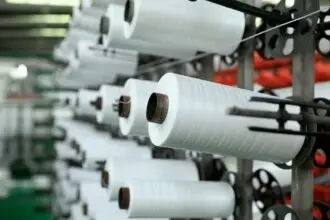

Pakistan’s textile industry is rapidly shifting away from a long-standing reliance on cotton — increasingly importing synthetic fiber and yarn to meet changing global demand. According to a recent report by INP-WealthPk, manufacturers say international buyers now prefer polyester, spandex and blended fabrics over pure cotton, pressuring mills to depend on imported synthetic materials because domestic production falls short.
Industrialists warn, however, that this shift — while offering access to modern apparel markets like sportswear, athleisure and technical textiles — carries risks. Dependence on imported raw materials makes the sector vulnerable to currency swings and may worsen the trade deficit if export growth lags.

Also Read: Pakistan’s Cotton Market Shows Signs of Recovery Despite Budget Pressures
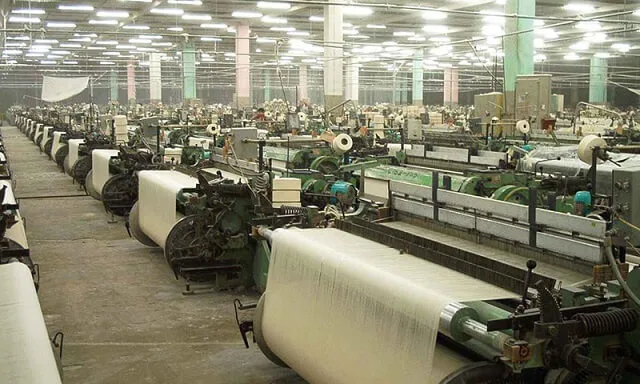
Local manufacturers argue that cotton remains the backbone of Pakistan’s textile output, especially for high-quality garments. But with recurring climate stress affecting cotton yields and older machinery unable to process synthetic fibers efficiently, mills face mounting pressure to modernize equipment and retrain workers.
According to a draft of the government’s Textile and Apparel Policy 2025–30, the shift toward synthetic and blended fibers is an integral strategy aimed at aligning Pakistan’s textile production with global consumption trends. The plan calls for rationalising customs duties, encouraging investment in domestic synthetic-fiber manufacturing, and upgrading infrastructure in industrial zones.
Still, industry stakeholders cautioned that unless domestic fiber production scales up, and unless investments in technology and environmental safeguards accompany the shift, the long-term sustainability of the sector may be compromised.