
“Once we were learners — now it’s our turn to lead.” Bangladesh’s RMG buying houses hold the key to the next global expansion. It’s time to move beyond borders and turn the briefcase business into a global engine of innovation.
Introduction

In the next five years, new countries will join the global RMG race. Those who start connecting now will become the leaders of tomorrow.
Today, many trading houses and factories in Bangladesh face intense competition — not only from abroad but also domestically. Local manufacturers are engaging in direct marketing, forming FDI partnerships, and entering joint ventures (JVs) with global buyers.
This shift means buying houses risk losing business if they remain confined to traditional sourcing models.
However, instead of seeing this as a threat, it should be viewed as an opportunity. Buying house professionals have decades of experience, marketing expertise, and buyer trust — strengths they can now use to expand globally alongside their clients and partners.
Also Read: Fair Price — The Missing Link in Bangladesh’s Garment Success Story
Bangladesh’s Proud Legacy
Bangladesh’s Ready-Made Garment (RMG) sector has evolved remarkably over the past four and a half decades. From the early 1980s — when Korea, Japan, and Sri Lanka supported our initial growth — to today, Bangladesh has become one of the world’s most trusted apparel sourcing destinations.
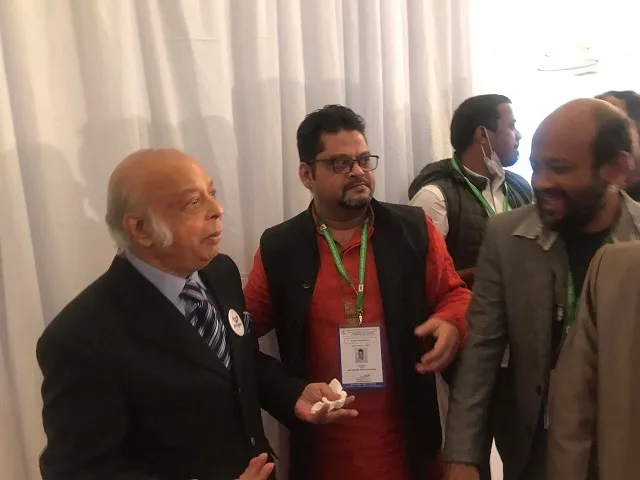
Behind this success stands an extraordinary group: our buying house owners and professionals. They have built long-term relationships with international buyers, mastered product development and marketing, and played a vital role in strengthening Bangladesh’s global reputation in the fashion supply chain. But now, as the world changes, a new chapter begins.
The Changing Global Landscape
In recent years, countries such as Egypt, Jordan, Ethiopia, Kenya, Uzbekistan, Ghana, and Nigeria have been investing heavily in their RMG and textile sectors. Many of these nations offer attractive incentives, trade access, and modern infrastructure to attract global investment.
By 2030, some of these emerging countries may become major sourcing hubs for cotton-based apparel.
At the same time, major economies are diversifying their sourcing strategies to reduce reliance on a single region. China and India have already begun investing in new manufacturing bases across Africa and the Middle East.
If Bangladesh wants to secure its long-term position, our buying house leaders must think beyond borders and act as global partners — not just local agents.
Why Buying Houses Hold the Key
Bangladesh’s buying houses possess unique strengths that few others can match:
• Trust and long-standing relationships with international buyers.
• Deep understanding of global fashion markets, compliance, and production.
• Strong communication and negotiation skills across regions.
Once upon a time, RMG manufacturers were called “tailor masters,” and traders were known as “briefcase businessmen.”
Over time, those tailor masters evolved into global marketing leaders, proving they are not only skilled producers but also visionary marketers who understand fashion, brand value, and innovation.
Now, it’s time for our buying houses to transform as well — to turn their old briefcase business into a global engine of ideas, innovation, and collaboration.
The same knowledge, trust, and networks that once built Bangladesh’s RMG identity can now open new doors across continents.
Just as Korea and Japan once came to Bangladesh to set up factories, it is now our turn to mentor, invest, and collaborate with emerging regions.
Also Read: No Alternative to FDI JVs for Bangladesh’s Garment Future
Travel and Exploration: The First Step
Opportunities don’t appear while sitting behind a desk. It’s time for our buying house professionals to travel, explore, and build networks in emerging markets.
Visiting Africa, Jordan, Egypt, or other developing regions can open doors to new possibilities:
• Meeting local entrepreneurs and investors.
• Visiting industrial zones and factories.
• Understanding labor laws, logistics, and trade benefits.
• Exploring government incentives for partnerships.
Even a small exploratory visit can create a roadmap for long-term business sustainability.
Empowering Bangladesh’s Global Workforce
In this global transition, Bangladeshi traders and professionals can play a vital role in the international job market.
Bangladesh has a large, educated workforce specializing in textiles and garments. Many already work abroad in RMG and related industries. With structured opportunities, this talent can become one of our nation’s strongest global exports — not in products, but in skills, knowledge, and leadership.
Through collaboration, training programs, and international mobility, our professionals can contribute significantly to global wage earnings, strengthening both individual livelihoods and the national economy.
The Role of BGBA and Industry Associations
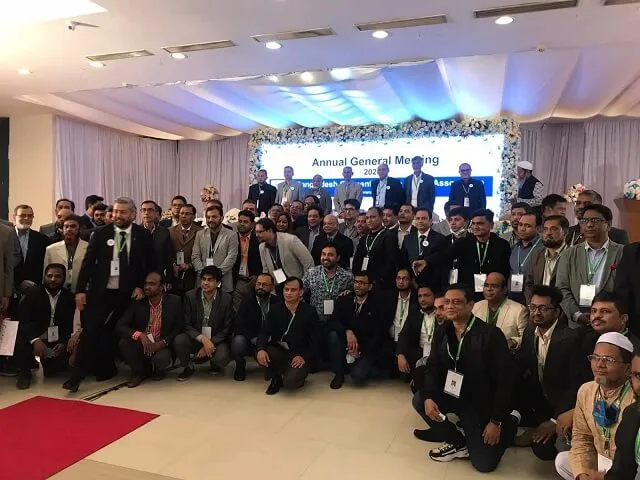
Organizations like the Bangladesh Garment Buying House Association (BGBA) can lead by organizing seminars, networking events, and country-focused dialogues, inviting delegates from Africa, the Middle East, and South Asia.
Such initiatives will not only strengthen the buying house community but also position Bangladesh as a global RMG knowledge hub.
Conclusion
The future of Bangladesh’s RMG sector depends on how quickly we adapt and act.
Our buying house professionals are dynamic, experienced, and visionary. With the right plans, partnerships, and willingness to explore new frontiers, Bangladesh can once again be a pioneer of transformation —this time, not as the learner, but as the teacher. Let’s think global. Let’s move together.
About the Author
Md. Salauddin is Director of Reaz Garments Ltd, while also serving as an advisor to the Textiles and Garments Merchandise Blog Bunon, he actively contributes insights on sustainability, sourcing, and industry transformation.
He carries forward a remarkable legacy: his father, Mohammad Reazuddin, founder of Reaz Garments, is widely recognized as one of Bangladesh’s first ready-made garment exporters. In 1978, Reaz Garments shipped 10,000 shirts to France, a milestone that helped lay the foundation of Bangladesh’s RMG industry.
Building on this pioneering heritage, Salauddin combines deep industry knowledge with a commitment to innovation, knowledge sharing, and global competitiveness for Bangladesh’s apparel