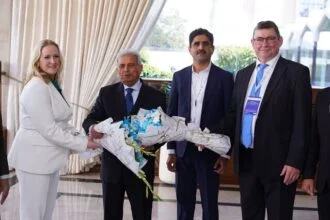
Finnish sustainable fibre maker Spinnova and Portugal-based Tearfil Textile Yarns are continuing their collaboration to expand the availability of Spinnova fibre in the global textile materials market, reinforcing the partnership through a newly signed Letter of Intent (LOI).
The agreement signals a move toward scaling commercial production of yarns made with Spinnova’s wood-based fibre, as fashion brands and textile manufacturers accelerate efforts to reduce reliance on conventional cotton and fossil-based synthetics. The companies said the collaboration will focus on developing yarn solutions tailored for apparel and home textiles, targeting industrial-scale adoption.

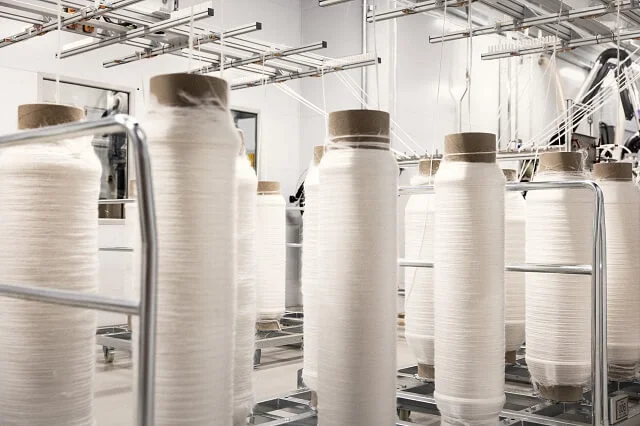
Tearfil, which specializes in high-quality yarn spinning for international fashion brands, has already been working with Spinnova fibre in pilot and limited commercial runs. The LOI outlines plans to deepen technical cooperation, optimize spinning processes and expand yarn availability to meet growing interest from European and global buyers seeking traceable, low-impact materials.
Also Read: Shein Faces EU Parliament Scrutiny Over Unsafe Products and Compliance
Spinnova’s fibre is produced using a mechanical process that avoids harmful chemicals and dissolving steps, positioning it as a lower-emission alternative within the textile supply chain. The company has been building partnerships with yarn spinners and manufacturers to bridge the gap between fibre innovation and large-scale market access.
Industry analysts say collaborations between fibre innovators and established spinners are becoming critical as brands push suppliers to deliver scalable sustainability solutions ahead of tightening environmental regulations and climate targets. The Spinnova–Tearfil partnership reflects a broader shift toward industrializing next-generation materials rather than relying solely on pilot projects.
The companies did not disclose financial details or timelines under the LOI but indicated that further agreements could follow as development milestones are reached and market demand evolves.