
As global fashion enters a new era of transparency, sustainability, and lifecycle accountability, the EU’s Digital Product Passport (DPP) has become one of the most significant regulatory frameworks shaping the future of the apparel supply chain. For Bangladesh—the world’s second-largest apparel exporter—adopting the DPP is not just about meeting compliance, it represents a defining moment to strengthen its competitive edge as a responsible, traceable, and future-ready sourcing destination.
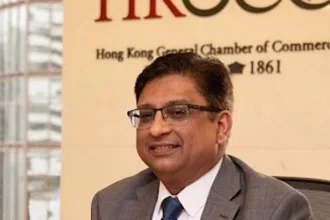
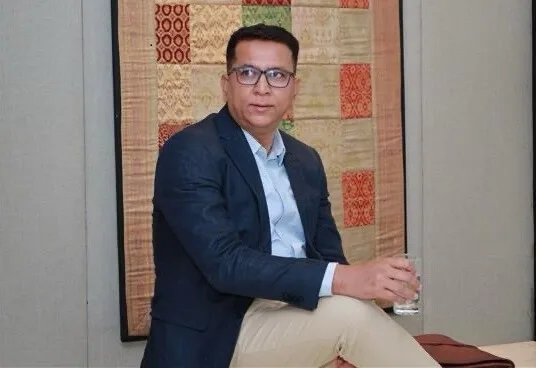
To explore Bangladesh’s readiness for the DPP and the broader transition toward circularity, Fashion Business Journal (FBJ) spoke with Amin Nurul, Sustainability Environment Manager (South Asia), H&M. With extensive experience in ESG, compliance, governance, and sustainability systems across global apparel operations, Amin shares critical insights into how Bangladesh can align with evolving EU expectations and unlock new opportunities through responsible and digitally empowered manufacturing.

FBJ: How prepared is Bangladesh’s apparel industry to adopt the EU-mandated Digital Product Passport (DPP), and what steps are needed to ensure full compliance across the supply chain?
Amin Nurul: The EU-mandated Digital Product Passport (DPP) is a timely and important topic for Bangladesh’s apparel industry. While the sector has made significant progress in areas such as compliance, sustainability certifications, and transparency, full readiness for DPP adoption will require coordinated efforts across the supply chain. Key steps include:
• Digital infrastructure development to capture and share product-level data.
• Capacity building for suppliers and SMEs to ensure uniform compliance.
• Collaboration with global brands and technology partners to pilot scalable solutions.
FBJ: Do you view the Digital Product Passport primarily as a compliance requirement, or as a strategic opportunity for Bangladesh to position itself as a transparent and high-value sourcing destination in the coming decade?
Amin Nurul: For me, the DPP is more than just a compliance requirement. I see it as a strategic opportunity for Bangladesh. It can help Bangladesh position itself as a transparent, responsible, and high-value sourcing destination at a time when global buyers are prioritizing sustainability and traceability more than ever.
Also Read: Trump’s Tariffs and Beyond – Robert Antoshak on Trade, Tariffs and Transformation
If bangladesh embraces the DPP proactively, the country can shift its industry’s reputation from low-cost manufacturing to responsible, future-focused production. This is a chance for Bangladesh to gain long-term competitive advantage.
FBJ: From a circular fashion perspective, how can Bangladesh strengthen its material traceability, recycling infrastructure, and end-of-life management to align with global sustainability expectations?
Amin Nurul: From a circular fashion perspective, strengthening material traceability, recycling infrastructure, and end-of-life management will be critical. This could involve:
• Establishing national recycling hubs and incentivizing textile-to-textile recycling.
• Developing traceability platforms that integrate blockchain or digital tagging.
• Encouraging policy support and industry-wide collaboration to align with global sustainability expectations.
FBJ: What role can global brands like H&M play in supporting Bangladesh’s transition toward circularity, particularly in areas such as capacity building, technology adoption, and collaborative innovation?
Amin Nurul: Global brands can play a major role in supporting Bangladesh’s circular transition. First, they can help by offering capacity-building and training programs to upskill suppliers. Many factories need guidance on digital traceability, environmental requirements, and circular design principles.
Second, brands can accelerate technology adoption by offering access to digital tools, platforms, and technical expertise. This kind of support can help suppliers implement complex systems that they may not be able to adopt on their own.
Also Read: Sustainability Only Works When It’s Measurable
And third, collaboration is essential. When brands, manufacturers, policymakers, and technology partners work together on joint innovation projects, we can create scalable models for circularity. This collaboration ensures that progress is practical, not just theoretical.
Conclusion
By investing in digital infrastructure, recycling systems, supplier capacity, and deeper brand–supplier partnerships, Bangladesh can move beyond compliance and take a leadership role in the global shift toward sustainable and circular fashion.