
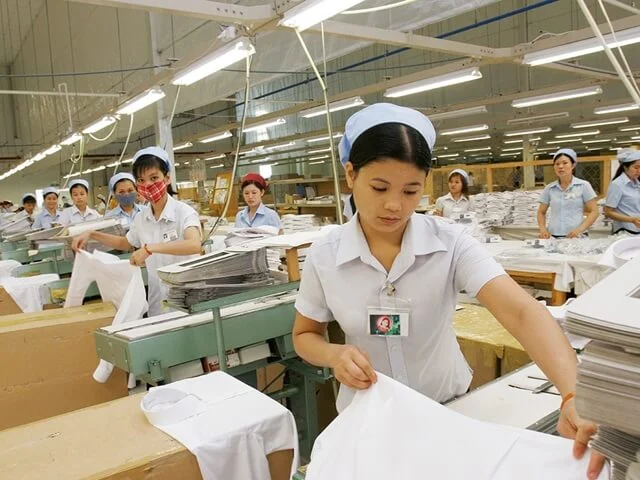
Rising geopolitical tensions across the Middle East are reshaping global shipping dynamics, and Vietnam’s textile and garment sector is feeling the strain from every angle—logistics, costs, and competitiveness.
According to the Vietnam Textile and Garment Association, disruptions along key maritime routes have forced cargo vessels to take longer, alternative paths, stretching delivery timelines by roughly two to three weeks.

For an industry heavily tied to fast-fashion cycles, these delays are more than inconvenient—they risk missed retail windows and strained buyer relationships. The pressure doesn’t stop at logistics.
Vietnam’s dependence on imported raw materials means any spike in fuel prices quickly ripples through the supply chain. Synthetic fibers, chemicals, and dyeing inputs all become more expensive, pushing up overall production costs and tightening margins for manufacturers already navigating a volatile market.
Freight rates have also surged, particularly on routes to major markets like the United States and the European Union. Additional risk surcharges and longer transit times are compounding the burden, while congestion and delays are contributing to container imbalances at key Vietnamese ports, leaving exporters scrambling for equipment.
Also Read : India Cotton Imports Surge Over 200% Amid Supply Crunch
At the same time, global sourcing strategies are shifting. Buyers are increasingly leaning toward nearshoring and supply chain diversification, giving countries such as Bangladesh, India, and Mexico a growing advantage due to proximity to major markets and stronger raw material ecosystems. This evolving landscape is intensifying competition for Vietnam’s exporters.
Despite these headwinds, industry leaders remain cautiously optimistic. VITAS maintains that with agile adaptation—ranging from renegotiating delivery schedules to strengthening risk management and securing financial flexibility—the sector can still meet its ambitious 2026 export target of $48 billion.
In response to the ongoing disruption, companies are not only adjusting operations but also accelerating long-term transformation strategies. Digitalization, sustainable production, and brand development are becoming central to maintaining resilience and adding value in a rapidly changing global market.
Meanwhile, policymakers are being urged to provide timely market intelligence, improve logistics updates, and roll out supportive measures on credit and fuel to help businesses stay competitive.
Vietnam’s textile industry is no stranger to global shocks, but the current crisis is testing its adaptability like never before—forcing a shift from cost-driven growth to resilience-driven strategy.