
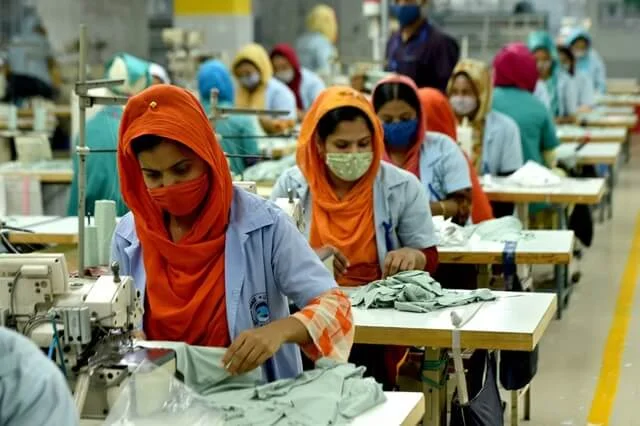
Bangladesh’s readymade garment (RMG) sector has undergone a profound transformation since the Rana Plaza collapse, marking over a decade of reforms that have significantly reshaped factory safety, compliance systems, and sustainability practices.
What began as an urgent response to one of the deadliest industrial disasters in modern history has gradually evolved into a structured compliance ecosystem, positioning Bangladesh as a key player in responsible apparel manufacturing. Yet, beneath this visible progress, deeper structural challenges continue to influence the sector’s long-term stability and competitiveness.

In the years following the disaster, large-scale remediation initiatives led by the Accord on Fire and Building Safety in Bangladesh and the Alliance for Bangladesh Workers’ Safety fundamentally upgraded factory infrastructure across the country.
These efforts addressed critical risks related to building integrity, electrical systems, and fire safety, bringing thousands of factories under rigorous inspection and correction programs. Over time, this externally driven model transitioned into a more localized framework through the RMG Sustainability Council, ensuring that monitoring and compliance enforcement remained ongoing rather than temporary.
As a result, Bangladesh has earned recognition from global stakeholders for its improvements. Assessments by McKinsey & Company have highlighted the country’s advancements in transparency and safety governance, while supply chain compliance firm QIMA has ranked Bangladesh among leading ethical sourcing destinations.
These endorsements reflect a maturing compliance architecture that now meets, and in some cases exceeds, international standards.
However, this progress has unfolded alongside persistent economic pressures that complicate its sustainability. Global apparel buyers continue to prioritize cost efficiency, often demanding lower prices and faster delivery cycles.
This creates a structural imbalance where manufacturers must absorb the rising costs of compliance, safety upgrades, and environmental investments without proportional pricing support.
The result is a tension between visible compliance and operational reality, where factories may adhere to audit standards but face internal strain that can manifest in extended working hours, wage pressures, or reliance on subcontracting.
Also Read : India Textile Exports Rise 2.1% in FY26 on Global Demand
Worker welfare remains another critical dimension where progress is partial. While minimum wages have been revised over time, concerns persist regarding living wage adequacy, especially in the context of inflation and rising urban living costs.
Access to healthcare, housing, and social protection systems continues to shape the everyday vulnerability of garment workers. Although trade unions have expanded since 2013, their presence and effectiveness vary widely across factories, limiting consistent collective bargaining power and worker representation.
At the same time, Bangladesh has emerged as a global leader in sustainable garment manufacturing, particularly through the proliferation of green factories certified by the United States Green Building Council.Many of these facilities rank among the most environmentally advanced in the world, reflecting significant investments in energy efficiency, water management, and carbon reduction. Yet this sustainability success is unevenly distributed.
Large, export-oriented factories dominate the green transition, while small and medium-sized enterprises often lack access to finance, technology, and technical expertise required to meet similar standards. This has created a dual-structure industry where sustainability leadership coexists with lagging segments.
Supply chain transparency has improved considerably at the primary factory level, supported by digital compliance systems and increased buyer scrutiny. Still, deeper layers of the supply chain remain less visible. Informal subcontracting networks, smaller production units, and upstream processes such as fabric sourcing continue to present gaps in traceability.
As global brands intensify their focus on end-to-end transparency, ensuring accountability beyond tier-one suppliers has become a central challenge for the industry.
Looking ahead, the sector is entering a new phase where resilience, rather than basic compliance, will define its trajectory. The foundational issues of factory safety have largely been addressed, shifting the focus toward governance quality, equitable purchasing practices, and inclusive growth.
Sustaining progress will require better alignment between buyer pricing strategies and the real cost of ethical production, stronger regulatory enforcement within Bangladesh, and broader inclusion of smaller factories in sustainability initiatives. The transformation triggered by Rana Plaza established Bangladesh as a case study in industrial reform, but the next stage will determine whether these gains can be institutionalized across the entire value chain.
In an increasingly competitive and sustainability-driven global market, the country’s ability to address its structural gaps will be as important as the progress it has already achieved.