
Asia Pacific Rayon (APR) has introduced sustainable lyocell fabric to Indonesia’s traditional batik sector, aiming to combine eco-friendly fibre innovation with the country’s centuries-old textile heritage and strengthen its position in global sustainable fashion markets.
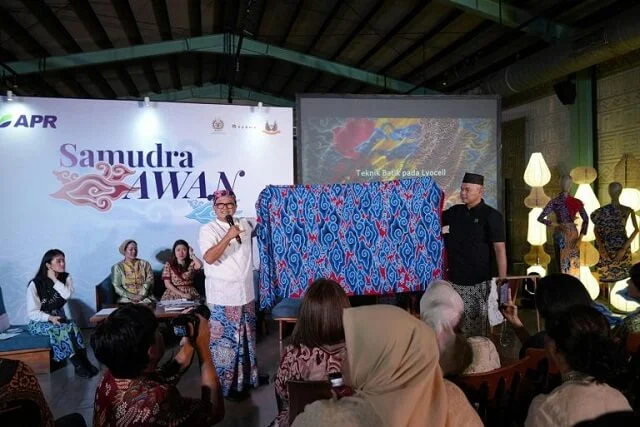
The Indonesia-based producer of man-made cellulosic fibres said the initiative seeks to support batik artisans by offering lyocell, a wood-based fibre known for its softness, breathability and strong dye absorption, as an alternative to conventional fabrics. The launch was presented at a recent industry event in Jakarta attended by batik associations, designers and government representatives.

Lyocell is produced using a closed-loop process that recovers and reuses solvents, reducing environmental impact compared with conventional viscose production. The fibre is biodegradable and derived from renewable wood pulp, aligning with rising demand from global brands and consumers for lower-impact textile materials.
Also Read: Microsoft Signs Carbon Removal Deal With Varaha for India’s Cotton Farmers
APR said lyocell’s high moisture absorbency and smooth fibre structure enable more vibrant colours and sharper motifs, features considered critical in batik craftsmanship where intricate wax-resist patterns define product value. Artisans involved in early trials reported improved colour fastness and fabric drape, making the material suitable for both traditional attire and contemporary fashion pieces.
Indonesia’s batik industry, recognised by UNESCO as an Intangible Cultural Heritage, supports thousands of small and medium enterprises across Java and other regions. By introducing sustainable fibres into this supply chain, APR aims to help producers access higher-value export markets where environmental standards are becoming more stringent.
The company has been expanding promotion of lyocell across Asia as part of broader efforts to grow the market for sustainable man-made cellulosic fibres. Industry analysts say demand for lyocell is rising globally, driven by apparel brands seeking alternatives to synthetic fibres and conventional cotton amid increasing scrutiny over carbon emissions, water use and chemical management in textile production.
APR said it will continue collaborating with local batik associations and designers to scale adoption, positioning lyocell-based batik as a premium, environmentally responsible product for domestic and international buyers.
The move underscores a wider shift in Southeast Asia’s textile sector, where producers are under pressure to decarbonise supply chains while preserving cultural craftsmanship in an increasingly sustainability-focused global apparel industry.