

The global fashion market is constantly changing. Buyers no longer want only basic, low-cost garments. Today, there is a growing demand for fashion-oriented high-margin clothing that reflects lifestyle, identity, and personal choice. The global apparel market was valued at over USD 1.1 trillion in 2024 and is projected to nearly double by the early 2030s, with strong growth across trend-driven and premium segments.
One important reality of fashion is that styles often return. Every 20 or 30 years, old-fashioned trends resurface with a fresh look. This occurs primarily due to generational shifts and changing customer behavior.

Changing Fashion Trends and Customer Behavior
Fashion is deeply connected to customer behavior. As generations change, their taste, lifestyle, and expectations also change. What was popular decades ago often returns in a modern form. For example, loose fits, retro prints, or vintage styles are frequently reintroduced to meet the preferences of younger generations.
Also Read: Unlocking Diaspora Power to Transform Bangladesh’s RMG Future
Demand for fashion-oriented garments also depends on each country’s culture, weather, and social habits. Clothing choices in Europe are different from those in the Middle East or East Asia. Seasonal weather, religious values, and daily lifestyle all influence fashion demand.
Teenagers and young consumers play a special role in shaping fashion trends. Their choices are bold, fast-changing, and heavily influenced by social media, music, and global culture. About 68 % of global fashion consumers actively seek sustainable materials and ethical production, and nearly half of Gen Z shoppers avoid unsustainable brands — showing how values now drive fashion demand as much as style.
Moving Beyond Basic Garments
For many years, Bangladesh focused mainly on large-volume production of basic garments. While this helped the industry grow, profit margins remain low. As costs rise, this model is becoming less sustainable.
Bangladesh’s ready-made garment (RMG) industry earned approximately USD 46.99 billion in export earnings in fiscal year 2022-23 and currently accounts for around 84 % of the country’s total export earnings, highlighting how dominant the garment sector remains. However, Bangladesh holds about an 7.9 % share of the global apparel market, underscoring significant room for growth, especially in higher-value fashion segments.
Also Read: Bangladesh Apparel Faces a Great Test — by Robert Antoshak
To move forward, Bangladesh must focus on fashion-oriented and value-added products. This requires quick response to trends, flexible production, better design capability, and understanding customer behavior across different markets.
Skills, Quality, and Education
Higher-margin fashion products demand higher skills. Workers need training in advanced sewing, finishing, and quality control. Mid-level managers need knowledge of trend analysis, production planning, and compliance. Designers must understand global fashion cycles, cultural differences, and consumer psychology.
Quality is critical. Fashion buyers expect consistency, comfort, durability, and good presentation. Without strong quality standards, competing in fashion segments is impossible.
Education has a key role to play. Bangladesh needs strong academic programs in fashion, textiles, and industrial engineering. Research and development-based education should be encouraged, focusing on innovation, materials, and sustainability.
Industry Funding for Research and Development
The garment industry should actively fund education and R&D initiatives. Collaboration between factories and academic institutions can create practical, market-driven knowledge. This support is essential to build long-term competitiveness and reduce dependence on low-margin products.
Another major change in the global fashion world is the growing focus on the circular economy and environmental compliance. Today, brands, buyers, and consumers are more aware of climate change, pollution, and waste caused by fashion production.
As a result, sustainability is no longer optional. It directly affects product price, business growth, and sourcing decisions. Buyers now prefer factories that follow environmental standards, use recycled or sustainable materials, reduce water and energy consumption, and ensure ethical production. Bangladesh’s textile sector is already expanding its green credentials, with over 230 LEED-certified factories and government support for environmental compliance, positioning it to meet rising sustainability demands.
These young consumers care deeply about sustainability, transparency, and social responsibility. Their fashion choices are driven not only by style, but also by values. For future manufacturing and sourcing countries like Bangladesh, understanding this mindset is critical. The industry must study these generations carefully, invest in green technology, circular production models, and sustainable design. While this transition brings challenges such as higher costs and technology gaps, it also creates new opportunities for long-term growth and global competitiveness.
Conclusion
Bangladesh’s RMG industry has survived a difficult and uneven journey. Its strength lies in resilience and hard work. Now, the next stage of growth depends on understanding fashion cycles, customer behavior, cultural differences, and especially the preferences of younger generations.
By investing in skills, quality, education, and research, Bangladesh can successfully capture higher-margin global fashion segments and ensure sustainable growth for the future.
About the Author
Md. Salauddin is Director of Reaz Garments Ltd, while also serving as an advisor to the Textiles and Garments Merchandise Blog Bunon, he actively contributes insights on sustainability, sourcing, and industry transformation. He is also Advisory Board Member of Fashion Business Journal.
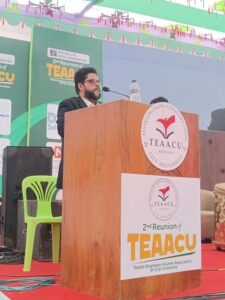
He carries forward a remarkable legacy: his father, Mohammad Reazuddin, founder of Reaz Garments, is widely recognized as one of Bangladesh’s first ready-made garment exporters. In 1978, Reaz Garments shipped 10,000 shirts to France, a milestone that helped lay the foundation of Bangladesh’s RMG industry.
Building on this pioneering heritage, Salauddin combines deep industry knowledge with a commitment to innovation, knowledge sharing, and global competitiveness for Bangladesh’s apparel