
Bangladesh’s pledge of a “revolutionary shift” in economic management and capital market reform is being closely watched by the country’s textile, apparel, and fashion industry, which is seeking renewed investment and policy stability to sustain growth.
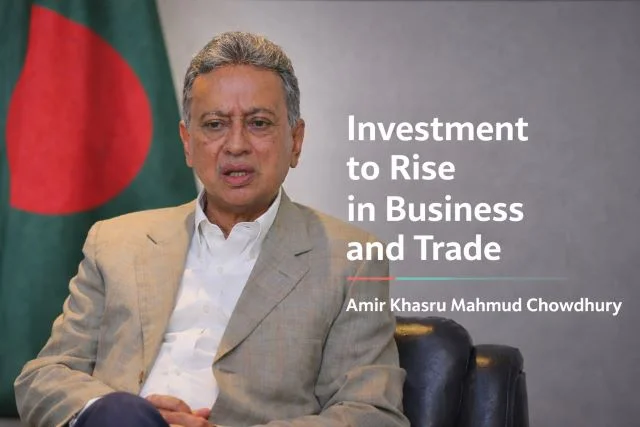
Finance and Planning Minister of Bangladesh Amir Khosru Mahmud Chowdhury recently outlined plans to overhaul the stock market, improve governance, and attract both domestic and foreign investment as part of broader economic restructuring. The proposed measures are expected to feature prominently in the upcoming national budget and are aimed at restoring confidence in financial markets and stimulating private sector activity.

Industry leaders say such reforms are critical for Bangladesh’s RMG and textile sector. As the world’s second-largest apparel exporter, Bangladesh relies heavily on a steady flow of investment to maintain factory upgrades, ensure compliance with global standards, and diversify into higher-value fashion products.
The reform push comes at a time when the textile and apparel sector is grappling with multiple challenges, including softer global demand, higher energy and raw material costs, currency pressures and increasing competition from regional rivals such as Vietnam and India. These factors have squeezed margins and slowed new investment, prompting calls from manufacturers for improved access to finance and clearer policy direction.
Market analysts say a stronger and more transparent capital market could provide garment and textile companies with alternative funding sources beyond traditional bank loans, reducing financing constraints and supporting expansion. Improved liquidity and investor confidence may also encourage foreign direct investment in backward linkage industries such as spinning, weaving and man-made fibre production, areas seen as essential for long-term competitiveness.
Also Read: Bangladesh Secures Post-LDC Trade Shield with Japan EPA
The government’s emphasis on economic stability and investor-friendly reforms is also intended to reassure international fashion brands and buyers, many of whom have diversified sourcing strategies in recent years amid global uncertainty.
A stable macroeconomic environment and predictable policy framework are viewed as key to retaining Bangladesh’s position as a preferred sourcing destination. For the textile, apparel, and fashion industry, the promised economic reset represents more than a financial market reform.
It is seen as a potential turning point that could unlock fresh capital, support modernization and help the sector move up the value chain. Whether the reforms translate into tangible gains will depend on swift implementation and sustained policy consistency in the months ahead.