
The global fast fashion industry, built on rapid production, trend sensitivity, and low prices, is at a critical juncture, with strong growth on one side and increasing environmental and ethical scrutiny on the other. Data from multiple market analyses show that the sector remains a strong center for apparel retailing, yet growing consumer preferences and regulatory pressures are reshaping its future.
Brands accustomed to producing clothes faster and cheaper than ever before are struggling to keep up with sustainable demand, leading to the emergence of slow fashion and circular models that could redefine the apparel landscape.

The global fast fashion industry remains a major segment of the apparel sector, characterized by rapid trend cycles, low-cost production, and high consumer demand. Analysts predict that the fast fashion market will continue to grow over the next decade, although at different rates depending on the data source.
According to various forecasts, the global fast fashion market is expected to reach around $230 billion to $246 billion in 2025, growing to $260 billion to $320 billion by 2034-35, reflecting a compound annual growth rate (CAGR) in the range of 6-11%.
Fast fashion is defined as a business model that prioritizes speed, low prices, and responsiveness to trends, enabling companies to bring affordable, runway-inspired clothing to market at high frequency. This model has been adopted by global players such as Inditex (Zara), H&M, Shine, Boohoo, and others, leveraging efficient supply chains, digital retail platforms, and strong social media influence to increase volume sales.
Growth drivers include urbanization, rising disposable incomes, and strong adoption among Millennial and Z consumers, with 63% of consumers purchasing clothing every month and 61% of fast fashion purchases occurring through digital channels.
Consumer Behavior and Demand Trends in the Fashion Industry
The appeal of fast fashion lies in the combination of low prices and rapidly updated trend offerings, especially among younger demographics. Globally, a significant portion of fast fashion purchases is driven by consumers looking for affordable, trend-led clothing, with research showing that 47% of Gen Z consumers are prioritizing fashion-forward clothing at lower prices.
Despite the growth, consumer attitudes are changing. A growing portion of shoppers are now incorporating ethical production, sustainability, and sustainability into their purchasing decisions. Industry trends research indicates that 65% of consumers worldwide will prefer sustainable, ethically produced clothing by 2025, up from around 52% in 2022, indicating a growing acceptance of alternatives such as slow and sustainable fashion.
Slow Fashion and Circular Business Models
Fast fashion’s rapid production cycles and reliance on low-cost synthetic materials are associated with significant environmental impacts. The fashion industry as a whole is responsible for an estimated 10% of global annual carbon emissions, while textile production generates around 1.2 billion tonnes of CO₂ equivalent per year. Fast fashion’s contribution to textile waste is equally significant: around 92 million tonnes of clothing are dumped in landfills annually, with less than 1% of the material recycled into new garments.
Environmental concerns are driving policy responses and changing corporate priorities. Regulatory frameworks in regions such as the European Union are introducing sustainability reporting standards and life cycle requirements for textiles to reduce waste and promote circularity. Corporate disclosure data suggests that more than half of fashion companies now track some Scope 3 emissions, although less than 10% have publicly committed to formal circularity.
The slow fashion market, which focuses on quality, sustainability, and ethical production, is growing in response to growing concerns about sustainability. Market research estimates that the global slow fashion market was worth about $10.6 billion in 2024, forecast to reach a CAGR of about 8% by 2035, driven by changing consumer preferences and increasing environmental awareness.
Complementing slow fashion, the sustainable and circular fashion market is also expanding rapidly, encompassing eco-friendly textiles, recycled fibers, and transparent supply chains. The report estimates that the sustainable fashion category could grow to approximately $24.9 billion by 2035, at a CAGR of 9.46%, driven by growing demand for biodegradable fabrics, second-hand exchanges, and carbon-neutral production practices.
Read: Fast Retailing Reports Fourth Straight Year of Record Profit
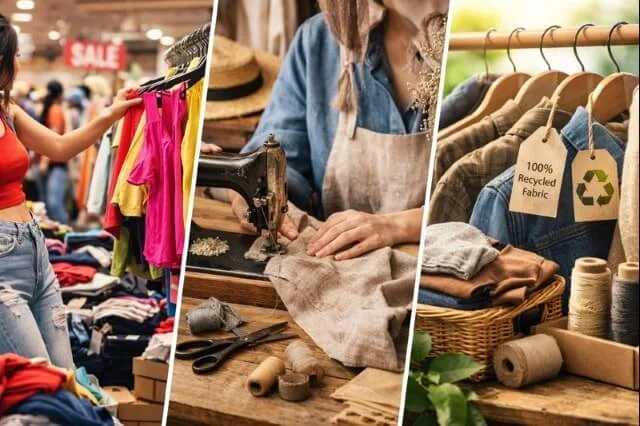
Circular economy initiatives such as clothing resale, repair services, and textile recycling are gaining popularity, supported by consumer platforms and brands that incorporate extended product lifecycles into their business strategies. These models aim to move the industry away from the traditional “take-make-dispose” paradigm by prioritizing recycling and material recovery.
The global fast fashion industry is still strong, with a solid market size and projected sustainable consumer demand. However, the sector’s traditional model is facing intense environmental scrutiny and evolving consumer values, which are driving the emergence of slow and circular alternatives. While it is unlikely to completely replace fast fashion in the short term, its future growth will increasingly depend on how effectively brands integrate sustainability, ethics, and circularity into their business strategies.