
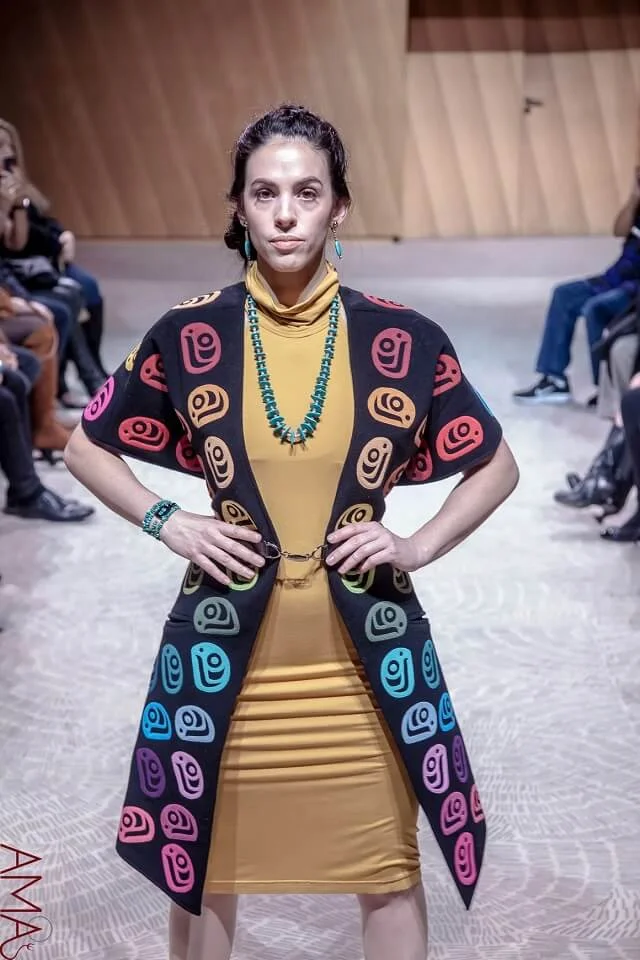
Indigenous Fashion Weeks have become growing international platforms that promote First Nations creativity, cultural heritage and sustainable design while giving Indigenous designers a stage to break into mainstream fashion circuits. Scheduled for early March 2026, two major events in Paris, France, and Regina, Saskatchewan, Canada, are expected to showcase designers from around the world and draw buyers, media, and cultural audiences.
In Paris, the Indigenous Fashion Week – Paris 2026 is set for March 2, 2026, as an annual one‑day fair and showcase organized by International Indigenous Fashion Week Inc. (IIFW). The event blends fashion and music from artists and designers worldwide, highlighting streetwear, eco‑friendly fashion, sustainable design and traditional Indigenous influences adapted for contemporary tastes. It aims to support Indigenous creatives and provide a forum where cultural expression and global industry access intersect, further elevating Indigenous voices in one of fashion’s most influential capitals.

Also Read: Bremen Cotton Week 2026 to Shape Future of Global Cotton
Meanwhile in Saskatchewan, Indigenous Fashion Week – 2026 will take place on March 2, 2026 in Regina, under the same IIFW banner. Like its Paris counterpart, the Saskatchewan edition serves as a yearly forum to nurture and celebrate Indigenous fashion, modelling and event planning. The Regina event brings together diverse designers, industry decision‑makers, wholesalers and media to engage with Indigenous aesthetics, sustainable production and contemporary interpretations of traditional design.
Both events are part of a broader movement to build global networks for Indigenous fashion, where designers and cultural practitioners can share heritage‑rich storytelling through textiles and runway presentations while gaining visibility in competitive markets. Platforms like these also connect to larger advocacy efforts from Indigenous fashion councils that aim to strengthen Indigenous participation and cultural recognition in the wider fashion industry.