
Microsoft has signed a carbon removal agreement with Indian climate‑tech firm Varaha to purchase more than 100,000 tonnes of carbon dioxide removal credits over the next three years, expanding its climate portfolio while creating economic and environmental co‑benefits for cotton farmers and rural communities.
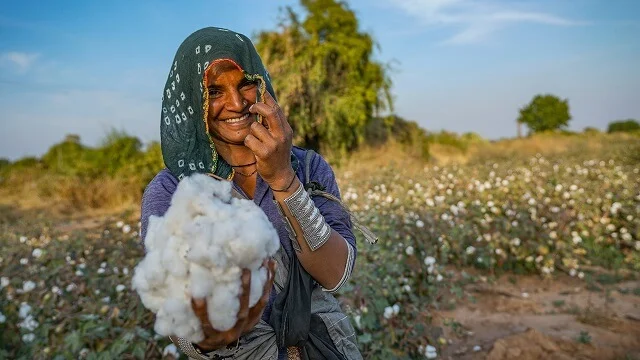
Under the deal announced on Jan. 15, Varaha will deploy 18 industrial gasification reactors across India’s cotton‑growing belt that are expected to operate for about 15 years and collectively remove more than 2 million tonnes of carbon dioxide over their lifetimes. The biochar‑based project will source cotton stalks and other agricultural residues from smallholder farms, which are typically burned in open fields, contributing to air pollution.

Converting biomass into biochar — a stable form of carbon that can be applied back to soil — locks up carbon for centuries while reducing the need for open burning. The process also offers additional advantages for farmers, including improved soil health, enhanced water retention and potential yield gains, and provides new income streams through payments for biomass supply.
Also Read: Circulose Returns: Swedish Recycler Prepares to Resume Fiber Production
Phil Goodman, program director for carbon dioxide removal at Microsoft, said the agreement broadens the diversity of the company’s carbon removal portfolio with a scalable and durable project design that also supports cleaner air and shared economic opportunity in farming regions. Varaha’s chief executive, Madhur Jain, said the project is designed not only to remove carbon but also to create economic incentives for farmers to adopt sustainable practices and avoid residue burning.
The first reactor is set to be deployed at Varaha’s cotton research farm in the western state of Maharashtra, where soil application of biochar and other regenerative practices will be tested with local growers before rolling out additional facilities.
The agreement with Microsoft comes amid broader corporate interest in durable carbon removal solutions as companies seek to meet ambitious climate targets. It follows a similar 100,000‑tonne agreement Varaha signed last year with Google and reflects growing recognition of biochar’s potential in sequestering carbon while delivering tangible benefits to agricultural communities.