
New Balance reported a record $9.2 billion in global sales for 2025, marking a 19 % increase from 2024 and its fifth consecutive year of double‑digit growth, company executives said on Thursday, underscoring the U.S. footwear and apparel maker’s expanding footprint in the global athletic market.
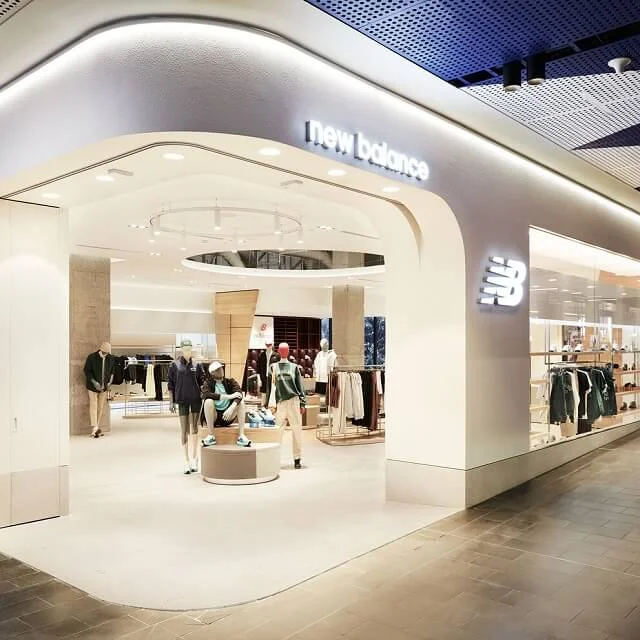
The privately held company, long known for its heritage running shoes and comfort‑focused designs, said gains were broad‑based across regions, with North America posting more than 20 % growth and Europe outpacing that with about 30 % year‑over‑year increases. Both its global apparel segment and sales from company‑owned retail stores each exceeded $1 billion for the first time, highlighting New Balance’s diversification beyond footwear into apparel and direct‑to‑consumer channels.

Chief Executive Officer Joe Preston attributed the performance to strategic investments in product innovation, consumer experiences and global expansion, including the launch of an Asia Design Studio intended to strengthen ties with customers in key markets such as Japan, China and South Korea. He also pointed to expanded digital capabilities and retail distribution as drivers of sustained momentum.
“The results reflect the strength of our brand and the loyalty of our consumers around the world,” Preston said in a statement, noting that the company’s lifestyle and performance offerings continued to resonate across a range of age groups and athletic communities.
Also Read: Crocs Tops $4B in 2025 Revenue, Wholesale Pressures Persist
Industry analysts said New Balance’s growth comes at a time when rivals have faced headwinds. The company has capitalized on shifts in consumer tastes toward “heritage” and lifestyle designs, turning what was once derogatorily dubbed the “dad shoe” into a cultural staple, while reinforcing its presence in performance categories including running and basketball.
New Balance also continued to deepen its roster of athlete partnerships, boosting visibility through collaborations with high‑profile sports figures and sponsorships at major global events. The brand’s marketing efforts were paired with expanded manufacturing and distribution infrastructure, including upgraded facilities in the United States, as part of a broader strategy to enhance supply chain resilience and customer service.
Beyond commercial metrics, the company highlighted its philanthropic work through the New Balance Foundation, which donated more than $17 million to charitable organisations across more than a dozen countries in 2025, reinforcing its commitments to community engagement and social impact.
With the latest results, New Balance is pushing toward its long‑standing goal of achieving roughly $10 billion in annual revenue, a milestone executives say could be within reach in the near term if current trends persist. The performance also signals potential for further market share gains in an increasingly competitive global footwear and apparel landscape.