
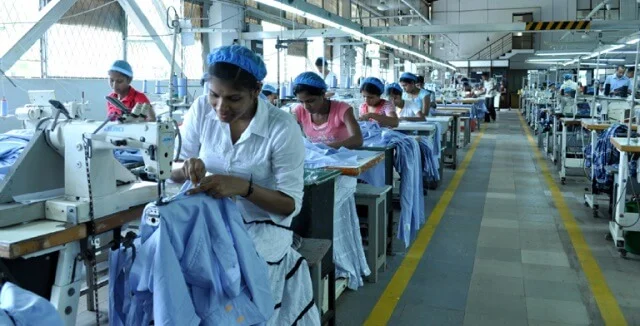
Colombo — Sri Lanka’s recent statutory wage increase has lifted the base pay for garment workers, yet many in the country’s pivotal apparel sector continue to struggle to cover basic living costs as inflation and currency pressures persist. Under amendments to the National Minimum Wage of Workers Act, Parliament approved a substantial rise in the national minimum monthly wage for private sector employees, including those in garment manufacturing, raising it to around LKR 27,000 from April 1, 2025, with a further bump to LKR 30,000 due from January 1, 2026, as part of a broader effort to address worker hardship amid economic instability.
Despite the nominal increases, the real purchasing power of the new wages remains weak against soaring living costs. Analyses by labour rights groups and research institutes show that even with the higher minimum, Sri Lankan garment workers earn significantly less than what local living wage benchmarks indicate is necessary for a decent standard of living, with minimum pay often amounting to only a fraction of independent living wage estimates.

Also Read: Capturing High-Margin Fashion: Bangladesh’s Strategy
Exporters have welcomed the measures as a signal of policy action after years of sporadic adjustments. Yet critics note that the wage-setting process lacks a predictable review mechanism, and the irregularity of past revisions, coupled with structural economic challenges, has left many workers’ incomes eroded in real terms over years of inflation and currency devaluation, according to the Business & Human Rights Resource Centre.
In practice, apparel workers say their salaries still fall short of paying for essentials like food, housing and transport, and many rely on overtime or informal income. Civil society advocates point to the gap between statutory minimums and living wage needs as a continuing flashpoint in Sri Lanka’s effort to balance global competitiveness with social equity in its long-standing export sector, as highlighted in recent industry and labour impact analyses