
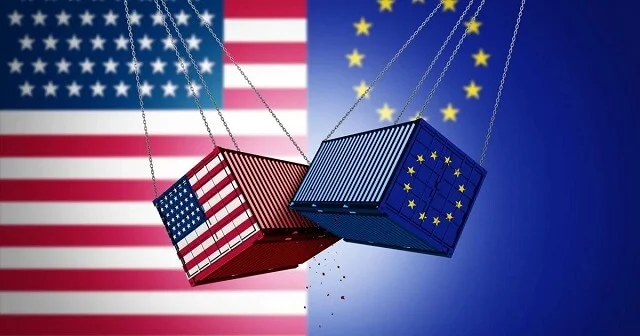
The transatlantic economic relationship between North America (primarily US and Canada) and Europe (primarily EU) entered a new phase with imposition of US tariffs, including 10 per cent base tariff on all imports and a higher 20 per cent tariff targeting goods from the EU, on April 2. Compared to earlier trade disputes, this hike represented a significant escalation. However, by July end, US lowered tariff to a flat 15 per cent on the EU exports entering US, including textiles and apparel. Fifteen per cent tariff still remained a far cry from the targeted zero-for-zero tariff deal.
The EU economy, inclusive of 0.9 per cent growth in the euro area, was projected to grow around 1.1 per cent in 2025 prior to imposing of elevated US tariffs on European goods. Despite lowering of tariff, it is still expected to impact European exports sector. Translated in numbers, the tariff impact is estimated to reduce GDP growth by about 0.2 to 0.5 per cent, and EU exports to the US by 1.1 to 1.5 per cent due to shrinking demand in the US market and tariff-related costs. Sector wise, automotive and fashion & textile stand particularly exposed.

Valued around €7.4 ($8.6) billion, the EU’s textile and fashion exports to the US face tariff costs that not only disrupted pricing but also threatened competitiveness. The US has been a key export market for European textile exporters, with flagship brands in Italy, France, Spain, and Portugal carving out niches at both the luxury and mid-market tiers.
US tariff impact on European fashion, already suffering from Ukraine war-induced inflation in raw material costs and supply chain issues, is noticeable. Major fashion players such as Inditex, H&M Group and LPP reported negative impacts. Key fashion markets of Italy and Germany experienced marked downturn in sales growth, partly by reduced consumer confidence linked to energy costs and economic uncertainty.
Luxury is an integral part of the European fashion industry. Europe is home to the world’s three largest luxury conglomerates: LVMH, Kering, and Richemont. The imposed tariff is feared to escalate prices in the luxury segment, which brands may be forced to pass on to the consumers in the US, the sector’s second-biggest market after China.
Facing challenging times, top luxury companies, including Chanel, Gucci, and LVMH labels such as Dior, Celine, Givenchy and Loewe, as well as Versace, are seeking new designers.
In Germany, retailers and brands increasingly shifted their focus towards Europe. German online fashion marketplace Zalando reported rising interest from companies seeking European expansion. The German clothing brand Hugo Boss redirected China-manufactured products to other markets instead of the US. Since the US accounts for around 20 per cent of German sportswear brand Adidas’ business, the company said most of its global operations remained unaffected by the tariffs.
In Italy, the Italian fashion group OTB, which owns brands including Diesel, Jil Sander and Maison Margiela, announced it would need to raise prices in the US to counteract the effects of tariffs.
In Spain, US customers felt the tariff pinch with fast-fashion brands such as Zara and Mango hiking prices in the US market. Zara owner Inditex reported a slowdown in revenue growth as tariffs and a strong dollar hurt its US business.