
Bangladesh’s leather industry has long been viewed as one of the country’s most promising sectors for export diversification beyond the Ready-Made Garment Industry. However, despite strong raw material availability and competitive labor costs, the sector continues to underperform compared to regional competitors due to compliance gaps, low value addition and limited industrial integration.
According to industry estimates and export data, Bangladesh’s combined exports of leather, leather products and footwear have generally remained within the range of approximately $1–1.3 billion annually in recent years. In contrast, Vietnam earns more than $20 billion annually from footwear exports alone through large-scale manufacturing for international brands.

Large Raw Material Base, But Limited Value Addition
Bangladesh collects an estimated 20–25 million animal hides and skins annually, including cattle, goat and buffalo hides. Industry sources estimate that nearly half of these hides enter the market during Eid al-Adha, creating a highly seasonal supply cycle.
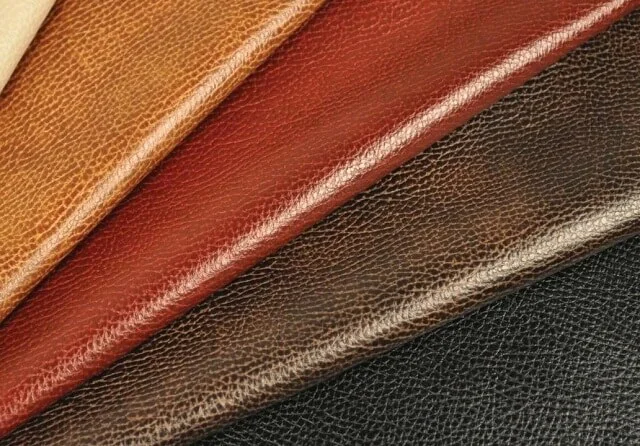
The country also processes an estimated 200–250 million square feet of leather annually through its tanning sector. However, a significant portion of exports still consists of semi-processed leather such as wet blue and crust leather rather than finished goods.
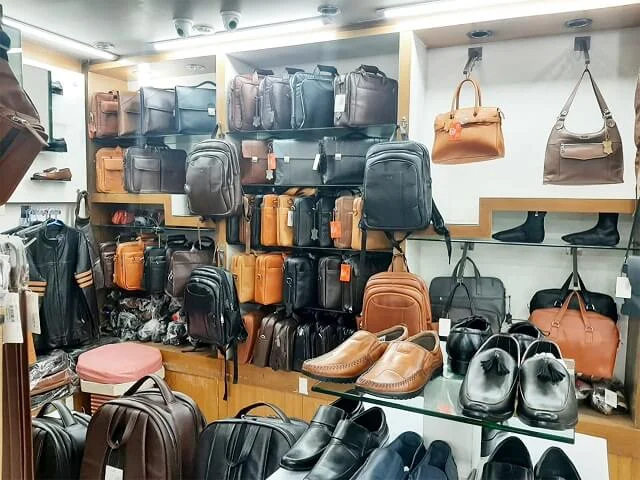
Industry analysts note that finished leather products—including footwear, bags and accessories—typically generate several times higher export value than semi-processed leather, allowing competing countries to capture substantially greater value from the same raw material base.
Compliance Issues Continue to Limit Market Access
The relocation of tanneries from Hazaribagh to the Savar Tannery Industrial Estate was intended to modernize the sector and improve environmental compliance. More than 150 tanneries were relocated under the project.
However, concerns regarding the operational efficiency of the Central Effluent Treatment Plant (CETP), wastewater treatment consistency and sludge management have continued to affect the industry’s international competitiveness.
As a result, many Bangladeshi tanneries have yet to secure certification from the Leather Working Group (LWG), which is widely regarded as an important requirement for supplying major international brands and retailers.
Industry stakeholders say the lack of broader compliance certification has reduced Bangladesh’s ability to directly access premium global sourcing chains.
Seasonal Market Volatility Causes Losses
Bangladesh’s raw hide market experiences significant volatility during Eid al-Adha, when a large volume of hides enters the market within a very short period.
Industry participants have repeatedly highlighted challenges related to:
- inadequate salt preservation,
- limited cold storage facilities,
- weak logistics systems,
- and inconsistent market pricing.
According to sector estimates, a notable portion of raw hides suffers quality deterioration during peak collection periods due to insufficient preservation and handling capacity.
Experts say investments in modern preservation systems, district-level collection centers and improved supply chain infrastructure could help reduce wastage and improve market stability.
Policy Support Remains Uneven
Industry observers often compare the leather sector with Bangladesh’s RMG industry, which generates more than $45 billion annually in exports and has benefited from decades of targeted policy support, including:
- bonded warehouse facilities,
- export incentives,
- tax benefits,
- and infrastructure development.
By comparison, the leather sector has received comparatively limited and inconsistent policy support, slowing investment and industrial modernization efforts.
Lack of Integrated Manufacturing Ecosystem
Unlike major leather-exporting countries such as Vietnam and China, Bangladesh has yet to develop a fully integrated leather and footwear manufacturing ecosystem.
Key gaps remain in:
- large-scale footwear manufacturing
- product design and development
- branding capabilities
- and supporting industries such as soles, adhesives and accessories
Industry analysts believe stronger backward and forward linkages could significantly improve competitiveness and reduce import dependence.
Opportunities for Growth in Finished Leather Goods
Despite existing challenges, industry stakeholders believe Bangladesh still holds strong long-term potential in footwear and finished leather goods manufacturing.
Global supply chain diversification, rising labor costs in some competing markets and Bangladesh’s established manufacturing experience are creating new opportunities for expansion.
Experts suggest that stronger compliance standards, investment in value-added manufacturing and improved policy incentives could substantially increase export earnings over time.
Industry groups have also called for:
- expanded export incentives,
- improved access to finance,
- industrial cluster development,
- foreign direct investment facilitation,
- and workforce skill development programs.
Conclusion
Bangladesh’s leather industry possesses several competitive advantages, including abundant raw materials, an experienced workforce and growing global demand for leather goods and footwear. However, structural challenges related to environmental compliance, limited value addition and insufficient industrial integration continue to constrain growth.
Industry analysts believe that sustained reforms, stronger compliance measures and greater investment in finished leather goods manufacturing could help the sector play a much larger role in Bangladesh’s export economy in the years ahead.